400 606 5609
Experience DEMO
400 606 5609
Experience DEMO
400 606 5609
Experience DEMO
400 606 5609
Experience DEMO
With the widespread adoption of the internet and high penetration of devices like smartphones and PCs, information systems have accumulated massive amounts of data. However, this also increases the difficulty for enterprises to effectively leverage that information. As a result, extracting valuable insights from big data to better understand users has become a key breakthrough point for innovation in the internet industry.
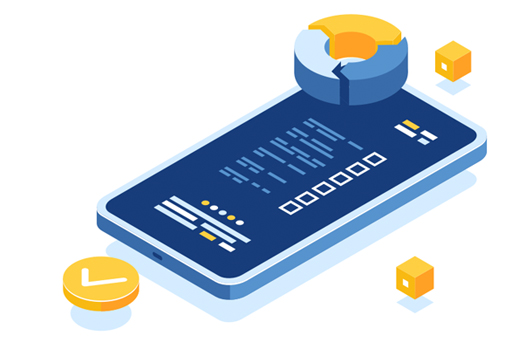
Data exists in multiple systems such as databases, cloud platforms, and file systems. It is urgent to integrate these systems and solve the problem of data silos.
The data volume is extremely large, and the requirement for real-time data synchronization is extremely high. During the data synchronization process, it is difficult to ensure the synchronization efficiency and provide the required data to the business end in a timely manner.
During the data transmission process, it is imperative to address technical challenges in order to ensure the integrity, consistency, accuracy and uniqueness of the data, so as to provide a solid foundation for enterprises to conduct accurate business analysis.

Compatible with mainstream databases on the market, it provides API data access, helping enterprises achieve data exchange, rapid cloud migration and other business operations, and continuously conducting iterative innovations for the business.
It has the ability to handle large-scale traffic and batch tasks, and provides monitoring alerts during the execution of data tasks, helping enterprises significantly improve the efficiency of data processing.
By configuring through the visual interface, the connection between the data source and the data destination is established, and then the data synchronization work can be initiated. It supports both real-time and scheduled data synchronization.
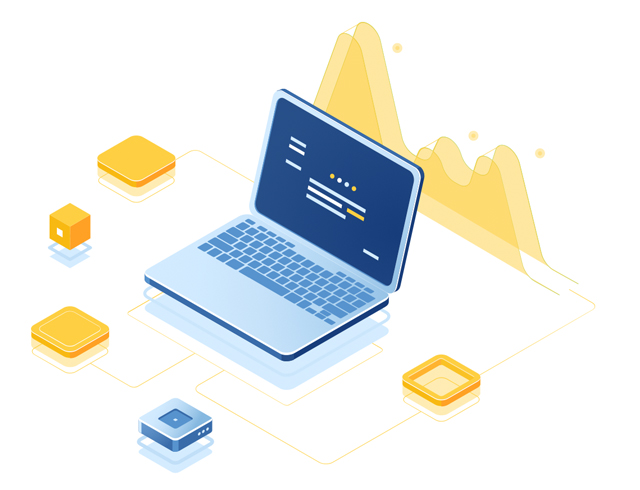

The DataPipeline data fusion platform integrates data from various channels to provide data support for business departments in building user profiling systems and conducting precise marketing.

Release IT personnel completely from the bottom-level technical development, and focus on meeting the data and product requirements of business personnel, thereby helping the enterprise respond quickly to market changes.

Adapted to the actual business scenarios, it quickly integrates various third-party data to support rapid iteration and innovation of the business.